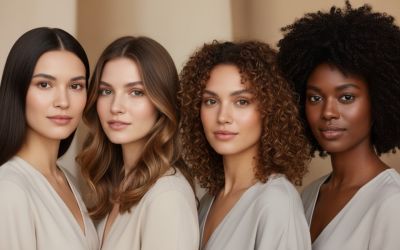
For every beautiful curl, wave, and coil, there’s a unique need for gentle, effective care. If you’ve ever battled frizz, dryness, or a lack of definition, the solution might lie in a simple yet profound switch: embracing a clean shampoo for curly hair. This isn’t just a trend; it’s a revolution in how we nourish our natural textures, promising healthier, more vibrant curls from root to tip.
What Exactly is “Clean Shampoo” for Curly Hair?
The term “clean beauty” has become a powerful force, and for good reason. For curly hair, which is inherently more prone to dryness due to its structure, the choice of shampoo is paramount. A “clean shampoo” for curly hair goes beyond being sulfate-free; it’s a product formulated with your curls’ long-term health in mind, consciously excluding ingredients known to strip, dry out, or build up on your delicate strands.
Beyond Just “Sulfate-Free”: A Deeper Dive
At its core, a clean shampoo prioritizes natural, plant-derived ingredients and sustainable practices while rigorously avoiding a list of potentially harmful synthetic chemicals. It’s about transparency and ensuring what you put on your hair is as beneficial as possible. This means looking for shampoos that not only omit harsh detergents but also embrace gentle, moisturizing agents that support your curl pattern.
Why Your Curls Deserve Clean: The Benefits of Conscious Cleansing
Curly hair, whether it’s wavy (2A-2C), curly (3A-3C), or coily (4A-4C), thrives on moisture. Unfortunately, many conventional shampoos contain ingredients that do more harm than good, leading to common issues like dryness and frizz. In fact, a significant percentage of individuals with curly hair, often over 70%, report experiencing chronic dryness and frizz, issues that clean shampoos for curly hair are uniquely positioned to combat.
Switching to a clean shampoo can transform your hair’s health, offering a multitude of benefits across all curl types:
- For Wavy Hair (2A-2C): Clean formulas prevent weigh-down, enhance natural body, and define subtle waves without making them greasy or flat. They protect against frizz, common in less-defined patterns.
- For Curly Hair (3A-3C): Hydration is key for these springy curls. Clean shampoos infuse moisture, reducing shrinkage, increasing elasticity, and boosting curl definition, making each ringlet pop.
- For Coily Hair (4A-4C): The tightest curl patterns are the most vulnerable to dryness. Clean shampoos provide intense moisturization, minimize tangles, improve manageability, and reduce breakage, fostering healthy growth.
- For Fine Curly Hair: Lightweight clean formulas cleanse effectively without stripping or creating a heavy residue, maintaining volume and preventing limpness.
- For Thick Curly Hair: Richer clean shampoos can deeply hydrate and detangle, making wash day easier and leaving thick curls soft and manageable without feeling product-laden.
By choosing clean, you’re investing in shampoos that infuse your hair with beneficial ingredients, actively helping to reduce frizz and enhance curl definition by maintaining your hair’s natural moisture balance.
The Good Stuff: Key Ingredients to Seek Out
The clean beauty industry is experiencing significant market growth, with consumer preference for natural and organic hair care products steadily rising. This trend reflects a collective desire for ingredients that genuinely nurture. When searching for the best clean shampoo for your curly hair, keep an eye out for these beneficial components:
- Natural Oils: Look for ingredients like argan oil, jojoba oil, coconut oil, shea butter, and olive oil. These oils deeply penetrate the hair shaft, providing essential moisture, improving elasticity, and adding shine.
- Humectants: Glycerin, hyaluronic acid, and aloe vera are excellent humectants that draw moisture from the air into your hair, keeping it hydrated and supple.
- Plant Extracts: Green tea extract, chamomile, rosemary, and nettle can soothe the scalp, reduce inflammation, and promote a healthy environment for hair growth.
- Protein Sources: Hydrolyzed wheat protein, rice protein, or quinoa protein can strengthen the hair cuticle, repair damage, and reduce breakage, especially beneficial for high-porosity curls.
- Gentle Cleansers: Instead of harsh sulfates, look for milder, coconut-derived surfactants like sodium cocoyl isethionate, decyl glucoside, or cocamidopropyl betaine.
Natural ingredients are incredibly effective in clean shampoos for curly hair because they work synergistically with your hair’s natural structure. They provide essential nutrients, hydration, and protection without the harsh side effects of synthetic alternatives.
The Bad Stuff: Harmful Ingredients to Ditch
Understanding what to avoid is just as crucial as knowing what to seek. Many conventional shampoos contain ingredients that, while creating a foamy lather or a slick feel, ultimately compromise the health and integrity of your curls. The long-term impact of specific harmful ingredients on hair health includes increased dryness, breakage, and scalp irritation.
Here’s why you should steer clear of these common culprits:
- Sulfates (Sodium Lauryl Sulfate, Sodium Laureth Sulfate): These harsh detergents create a rich lather but are notorious for stripping natural oils from your scalp and hair, leading to extreme dryness, frizz, and an irritated scalp. Why are sulfates bad for curly hair? Because curly hair needs every bit of its natural moisture to stay healthy and defined.
- Parabens (Methylparaben, Propylparaben, Butylparaben): Used as preservatives, parabens have been linked to hormonal disruption and other health concerns, making them a definite no-go for conscious consumers.
- Silicones (Dimethicone, Cyclopentasiloxane, Amodimethicone): While silicones can make hair feel smooth and shiny initially, most are not water-soluble. They create a temporary, suffocating coating on the hair shaft that prevents moisture from penetrating, leading to product buildup, dullness, and eventual breakage. Why are silicones bad for curly hair? They create an illusion of health while starving your curls of true hydration.
- Drying Alcohols (Ethanol, Isopropyl Alcohol, Alcohol Denat.): These alcohols evaporate quickly, taking precious moisture with them. They can dehydrate your curls, making them brittle and prone to breakage.
- Synthetic Fragrances (Parfum/Fragrance): Often a cocktail of undisclosed chemicals, synthetic fragrances can cause allergic reactions, skin irritation, and even respiratory issues. Opt for products scented with natural essential oils instead.
Choosing Your Perfect Match: How to Select the Best Clean Shampoo for Your Curls
With so many options available, how do you choose the best clean shampoo for your unique curls? It comes down to understanding your hair’s specific needs, including its curl pattern, porosity, and any
particular concerns you want to address. This commercial intent means we’re looking for solutions tailored to you.
Understanding Your Curl Pattern (2A-4C)
- 2A-2C (Wavy): Look for lightweight, volumizing formulas that cleanse without weighing down your waves. Aloe vera, sea kelp, and lightweight oils like grapeseed are excellent.
- 3A-3C (Curly): Medium-weight, hydrating formulas are ideal. Ingredients like shea butter, coconut oil, and glycerin will provide moisture and definition without excess grease.
- 4A-4C (Coily): Seek out rich, ultra-moisturizing, and detangling shampoos. Products with significant amounts of natural oils, butters, and humectants will offer the deep hydration and slip these delicate coils need.
Porosity Matters
Hair porosity refers to your hair’s ability to absorb and retain moisture.
- Low Porosity: Hair cuticles are tightly closed. Look for lightweight, clarifying clean shampoos that can penetrate the shaft without building up. Avoid heavy butters and oils.
- Medium Porosity: Hair has a balanced ability to absorb and retain moisture. Most hydrating clean shampoos will work well.
- High Porosity: Hair cuticles are open, absorbing moisture quickly but losing it just as fast. Opt for rich, moisturizing, protein-rich clean shampoos that help seal the cuticle and retain hydration.
Addressing Specific Concerns (Hydration, Frizz, Volume, Scalp Health)
- For Hydration: Focus on shampoos rich in humectants (glycerin, aloe), natural oils (argan, jojoba), and butters (shea). These will infuse your curls with much-needed moisture.
- For Frizz Control: Hydration is key here. Look for ingredients that seal the cuticle and smooth the hair, such as natural oils and plant extracts.
- For Volume: For fine or wavy curls that need a lift, choose lightweight, gentle clarifying clean shampoos with ingredients like rice protein or specific plant extracts that add body without residue.
- For Scalp Health: Ingredients like tea tree oil, peppermint, apple cider vinegar, and salicylic acid (in natural forms) can help balance the scalp, reduce itchiness, and promote a healthy growth environment.
What’s the difference between clarifying and moisturizing clean shampoos for curls?
- Clarifying Clean Shampoos: These are designed to remove product buildup, hard water minerals, and excess oil from the scalp and hair. They are typically used less frequently (e.g., once a month) and contain stronger (but still gentle) cleansing agents.
- Moisturizing Clean Shampoos: These are for regular use, formulated to cleanse while depositing moisture and nutrients into the hair gently. They are usually creamier and richer in emollients.
Top Picks: Best Clean Shampoos for Curly Hair
Navigating the clean beauty aisle can be overwhelming, so we’ve curated some of the best sulfate-free and paraben-free shampoos for curly hair, catering to various needs and curl types.
- For Deep Hydration & Coily Hair:
- A co-wash (shampoo and conditioner in one) that’s incredibly moisturizing, perfect for 4C hair. Mielle Organics Rosemary Mint Strengthening Shampoo: Infused with biotin, it promotes growth while gently cleansing and hydrating, excellent for 3C-4C types.
- For Frizz Control & Definition (All Curl Types):
- PATTERN Beauty Hydration Shampoo: Developed by Tracee Ellis Ross, this shampoo is designed to be super hydrating and enhance definition, great for 3A-4C.
- Olaplex No. 4 Bond Maintenance Shampoo: While not exclusively a ‘curly’ brand, it’s sulfate-free, intensely reparative, and excellent for reducing frizz and strengthening damaged curls.
- For Fine/Wavy Hair & Volume:
- A lightweight, gentle cleanser that adds volume and shine without weighing down waves or fine curls (2A-3A). Briogeo Curl Charisma Rice Amino + Avocado Hydrating Shampoo: Offers a good balance of hydration and lightweight definition, making it suitable for 2B-3B curls.
- For Scalp Health & Clarifying:
- ACURE Curiously Clarifying Shampoo: Utilizes natural ingredients like lemongrass and argan oil to gently remove buildup without stripping, suitable for all curl types when a deep cleanse is needed.
- OGX Apple Cider Vinegar Shampoo: A budget-friendly option for clarifying and balancing scalp pH.
- Overall Best Hydrating Clean Shampoo:
- Shea Moisture Coconut & Hibiscus Curl & Shine Shampoo: A long-time favorite for a reason, providing consistent hydration, shine, and frizz control for 3A-4C curls.
These recommendations represent a spectrum of clean ingredients and approaches, ensuring there’s an ideal match for your specific curl journey.
Mastering the Wash Day: Tips for Using Clean Shampoos on Curly Hair
Switching to clean shampoos might require a slight adjustment in your wash-day routine. Here’s how to get the most out of your new, curl-loving products:
- Detangle Before You Wash: Gently detangle your hair with your fingers or a wide-tooth comb before wetting it. This minimizes breakage and tangles during washing.
- Wet Hair Thoroughly: Ensure your hair is completely saturated with warm water. This helps the shampoo distribute evenly and work more effectively.
- Lather Less, Cleanse More: Clean shampoos, especially sulfate-free ones, produce less lather. Don’t be tempted to use more product. Focus on massaging the shampoo into your scalp with your fingertips to stimulate circulation and cleanse effectively. The suds will be minimal, and that’s okay!
- Concentrate on the Scalp: The scalp is where most dirt, oil, and product buildup accumulate. Let the suds (or lack thereof) from your scalp gently run down your strands as you rinse, cleaning them without stripping.
- Rinse Thoroughly (But Gently): Rinse with lukewarm water until your hair feels clean and free of product residue. Avoid excessively hot water, which can dry out your curls.
- Follow with a Deep Conditioner: Clean shampoos prepare your hair to absorb moisture. Always follow with a high-quality, clean conditioner, focusing on your ends.
- Consider a Co-Wash: For very dry or coily hair, consider alternating between a clean shampoo and a co-wash (conditioning wash) to maintain maximum moisture.
The Rise of Clean Beauty: Market Trends
The clean beauty movement isn’t just about avoiding bad ingredients; it’s a reflection of a broader consumer shift. The global clean beauty market is projected to continue its robust growth, with a significant percentage of consumers actively seeking out natural and organic hair care solutions. This preference is driven by increased awareness of ingredient impact, a desire for sustainable products, and a growing understanding that what we put on our bodies is just as important as what we put in them. Embracing clean shampoo for curly hair aligns perfectly with this progressive and health-conscious approach to beauty.
Frequently Asked Questions (FAQ)
What makes a shampoo ‘clean’ and beneficial for curly hair?
A clean shampoo for curly hair is free from harsh chemicals like sulfates, parabens, silicones, and drying alcohols. It prioritizes natural, plant-derived ingredients that gently cleanse while nourishing and moisturizing curls, respecting their delicate structure and natural oil balance.
Why are sulfates and silicones bad for curly hair?
Sulfates are harsh detergents that strip natural oils from curly hair, leading to extreme dryness, frizz, and breakage. Silicones create a temporary, non-water-soluble coating that prevents moisture from penetrating the hair shaft, leading to product buildup, dullness, and eventual dehydration. Both ultimately hinder healthy curl formation and vitality.
What are the best sulfate-free and paraben-free shampoos for curly hair?
Many excellent options exist! Top brands known for their sulfate-free and paraben-free formulas include Curlsmith, Mielle Organics, PATTERN Beauty, Innersense Organic Beauty, Briogeo, and Shea Moisture. The “best” depends on your specific curl type and concerns.
How do I choose a clean shampoo for my specific curl type (2A-4C)?
Consider your curl pattern, porosity, and main concerns. Wavy (2A-2C) hair benefits from lightweight formulas; curly (3A-3C) hair needs balanced hydration; and coily (4A-4C) hair requires intense moisture. High porosity hair often needs protein, while low porosity hair prefers lighter ingredients to avoid buildup.
Can clean shampoos help reduce frizz and enhance curl definition?
Absolutely! By avoiding stripping ingredients and infusing hair with natural oils, humectants, and plant extracts, clean shampoos help maintain the hair’s natural moisture balance. This crucial hydration seals the cuticle, which in turn significantly reduces frizz and enhances the natural definition of your curls.
Are natural ingredients truly effective in clean shampoos for curly hair?
Yes, natural ingredients are highly effective. Ingredients like argan oil, shea butter, aloe vera, and plant proteins work in harmony with your hair’s natural biology to provide deep hydration, strengthen strands, soothe the scalp, and promote overall hair health without the harsh side effects of synthetic chemicals.
What’s the difference between clarifying and moisturizing clean shampoos for curls?
Clarifying clean shampoos are formulated to deeply cleanse the scalp and hair, removing product buildup and impurities, and are typically used periodically. Moisturizing clean shampoos are designed for regular use, gently cleansing while simultaneously infusing the hair with moisture and nutrients, making them ideal for daily or frequent washing of dry curls.
Making the switch to a clean shampoo for your curly hair is more than just buying a product; it’s an investment in the long-term health, vitality, and natural beauty of your curls. By understanding what your hair needs – and what it doesn’t – you can unlock its full potential, revealing defined, healthy, and happy curls.